
Fire Alarm System Design Services
Engineered Fire Systems specializes in fire alarm system design for residential, commercial, and industrial properties across the Western United States. Our approach considers building layout, occupancy type, detection requirements, and notification needs, ensuring every system is designed to meet NFPA 72 standards and the specific code requirements of your jurisdiction.
With nearly four decades of experience, our licensed Professional Engineers bring a level of technical depth that goes beyond producing drawings. We design fire alarm systems that integrate with your building’s existing infrastructure, coordinate with all relevant stakeholders, and are built to move through permitting without delays, revisions, or surprises.
Architects, property owners, developers, and fire protection contractors across California, Nevada, and the broader Western United States rely on Engineered Fire Systems to deliver fire alarm designs that are accurate, compliant, and ready to build from.
Engineering, Design, and Consulting Services
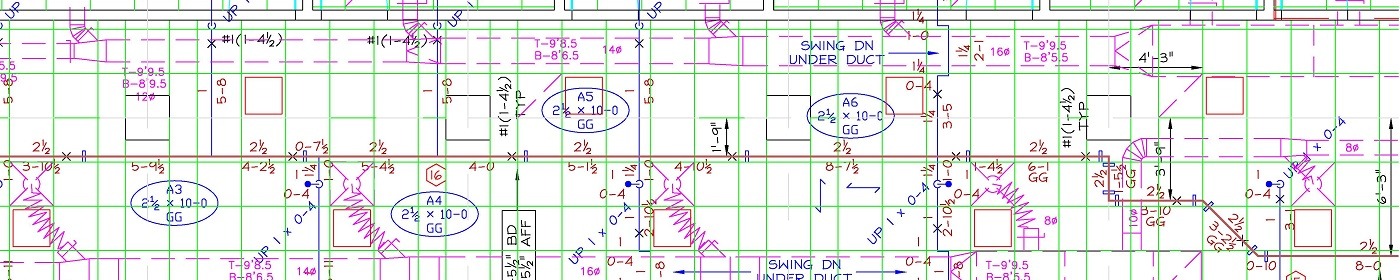
Our comprehensive firm alarm services include designing the alarm system layout, selecting the most appropriate components, and seamlessly integrating them with advanced detection technologies. This meticulous process ensures rapid, accurate fire detection, reducing potential damage and safeguarding occupants. We also provide precise calculations and material submittals, streamlining the approval process with building and fire departments.
Here are just some of EFS’s fire alarm engineering, design, and consulting services:
What You Get with Engineered Fire Systems
When you choose Engineered Fire Systems, you’re partnering with a dedicated team of fire protection experts who will guide you through every stage of your project—from the initial concept to final construction. Here’s what you can expect when you work with us:
Strategic Fire Protection Planning
Experienced Guidance from Industry Experts
Comprehensive Design Services
Permitting Assistance
Installation Support
End-to-End Project Support
Engineered Fire Systems has been the trusted fire alarm design partner for architects, developers, property owners, and fire protection contractors across California, Nevada, and the broader Western United States for nearly four decades. From addressable alarm systems for high-rises and hospitals to conventional systems for smaller commercial properties — our licensed Professional Engineers bring the technical depth to handle projects of any size and complexity, anywhere.
Ready to get started? Contact our team today to discuss your project and get a free estimate.
Frequently Asked Questions
IoT-based fire alarm systems are fire detection and alarm systems that use the Internet of Things (IoT) technology to enhance fire safety. These systems are connected to the internet, allowing for real-time monitoring, data sharing, and advanced automation features. IoT fire alarm systems are a significant upgrade from traditional fire alarm systems due to their ability to communicate and operate intelligently across multiple devices and platforms.
At Engineered Fire Systems (EFS), we bring decades of experience in fire protection and cutting-edge technology, including IoT-based solutions. With our expertise, we can help you design and implement advanced IoT-based fire alarm systems tailored to meet the specific needs of your property, ensuring enhanced safety, real-time monitoring, and seamless integration with other building systems. Trust EFS to deliver innovative fire protection solutions that keep you ahead of evolving safety standards.
A fire alarm system is typically required in the following scenarios:
Commercial Buildings: Most commercial properties, including office buildings, retail stores, warehouses, and factories, are required by local building codes and fire safety regulations to have a fire alarm system installed. The specific requirements depend on the size, occupancy type, and usage of the building.
Residential Buildings: Multi-family residential buildings, such as apartment complexes, condos, and dormitories, usually require fire alarm systems. The need for a system can vary depending on the number of units, stories, and local fire codes. In some jurisdictions, single-family homes might also be required to have interconnected smoke alarms as part of a fire alarm system.
Educational Institutions: Schools, universities, and daycare centers are generally required to have fire alarm systems to ensure the safety of students, faculty, and staff. The systems must comply with specific regulations regarding the detection and notification of fire hazards.
Healthcare Facilities: Hospitals, nursing homes, and other healthcare facilities must have fire alarm systems due to the high risk and vulnerability of the occupants. These systems are crucial for ensuring rapid evacuation and coordination with emergency responders.
High-Rise Buildings: Buildings that exceed a certain height (often defined as 75 feet or more) are typically required to have fire alarm systems, given the complexities of evacuation and fire suppression in tall structures.
Assembly Occupancies: Buildings where large numbers of people gather, such as theaters, stadiums, convention centers, and places of worship, usually require fire alarm systems to manage the safety of occupants in the event of an emergency.
Hotels and Motels: Accommodations with multiple sleeping rooms are typically required to have fire alarm systems to ensure the safety of guests.
Industrial and Hazardous Occupancies: Facilities that involve the storage, handling, or processing of hazardous materials often require specialized fire alarm systems to detect and mitigate fire risks quickly.
Code or Insurance Requirements: Some local building codes, fire codes, and insurance policies mandate the installation of fire alarm systems in certain types of buildings to comply with safety standards and reduce liability.
A monitored fire alarm system is a fire alarm system that is connected to a professional monitoring service, which continuously oversees the system's status and alerts the appropriate authorities in the event of an emergency.