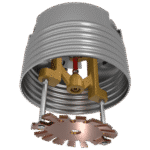
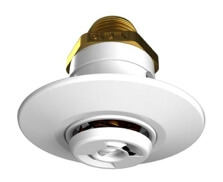
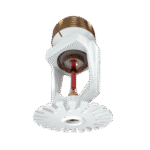
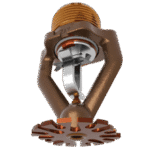
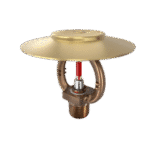
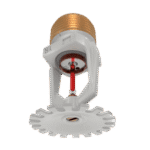
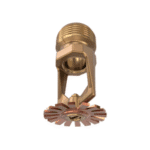
Fire sprinkler systems rely on a broad set of standardized terms that describe system configurations, components, and functional elements governed by fire protection codes and design practice. Clear understanding of this terminology is essential for accurate system design, plan review, installation, inspection, and coordination across disciplines. These terms are referenced throughout NFPA standards, construction documents, hydraulic calculations, submittals, and inspection reports. This guide organizes commonly used fire sprinkler system terms into functional categories with concise technical definitions. We hope this reference serves as a practical tool for improving your technical understanding.
Section Index
This reference is organized into the following functional categories for ease of review:
System Types
Fire sprinkler system types are defined by how water is introduced into the piping network and how system activation is controlled under fire conditions. Selection of a system type is driven by environmental exposure, occupancy risk, and operational requirements established by applicable NFPA standards. Each system configuration presents distinct performance characteristics, inspection considerations, and failure modes that must be understood during design and review.
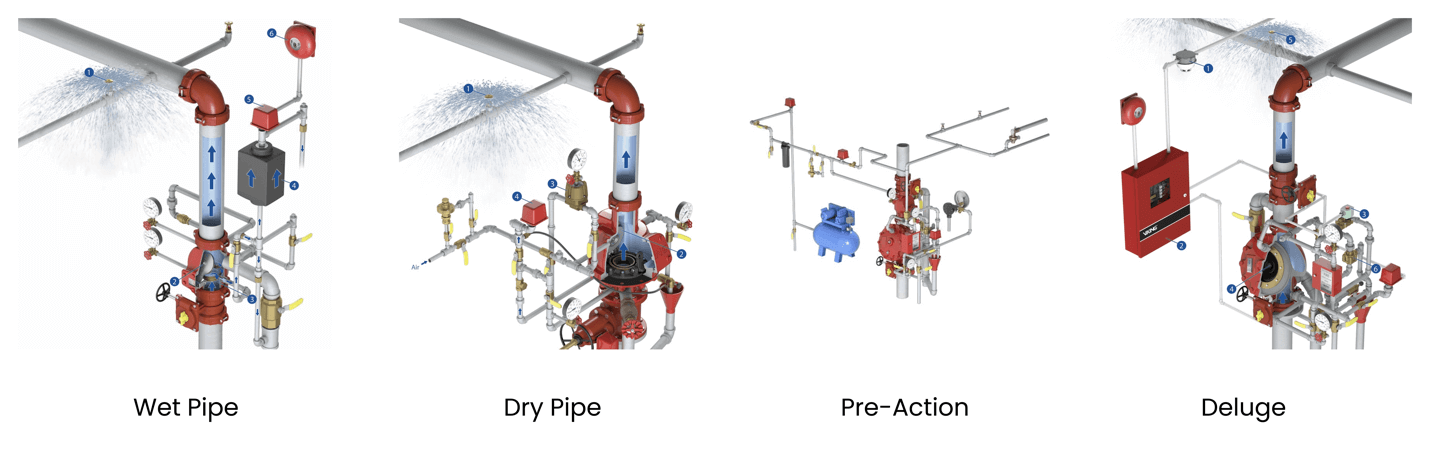
Figure 1: Visual comparison of wet pipe, dry pipe, pre-action, and deluge fire sprinkler system types. Source of Diagrams: Viking.
Wet Pipe | A sprinkler system in which piping is constantly filled with water and discharges immediately upon sprinkler activation. |
Dry Pipe | A sprinkler system containing pressurized air or nitrogen that releases water into piping after sprinkler activation. |
Pre-Action | A sprinkler system requiring a separate detection event before water is allowed into the system piping. |
Deluge | A sprinkler system using open sprinklers that discharge water simultaneously when the deluge valve is activated. |
Sprinklers & Discharge Devices
Sprinklers and discharge devices are the terminal components of a fire sprinkler system responsible for delivering water to the hazard area during system activation. Their design governs discharge pattern, thermal response, and coverage area and directly influences suppression or control performance. Selection is dictated by hazard classification, ceiling configuration, occupancy use, and environmental conditions. Understanding the functional differences among discharge devices is essential for proper system design and code compliance.
|
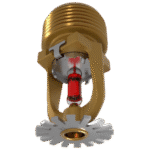
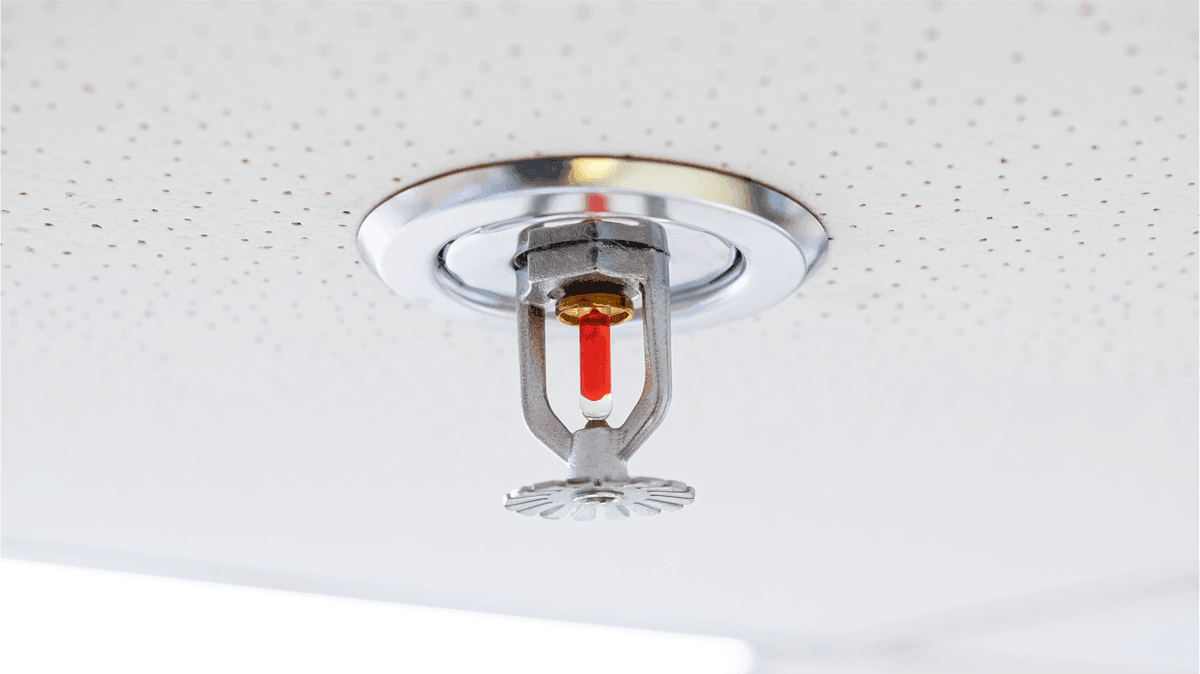
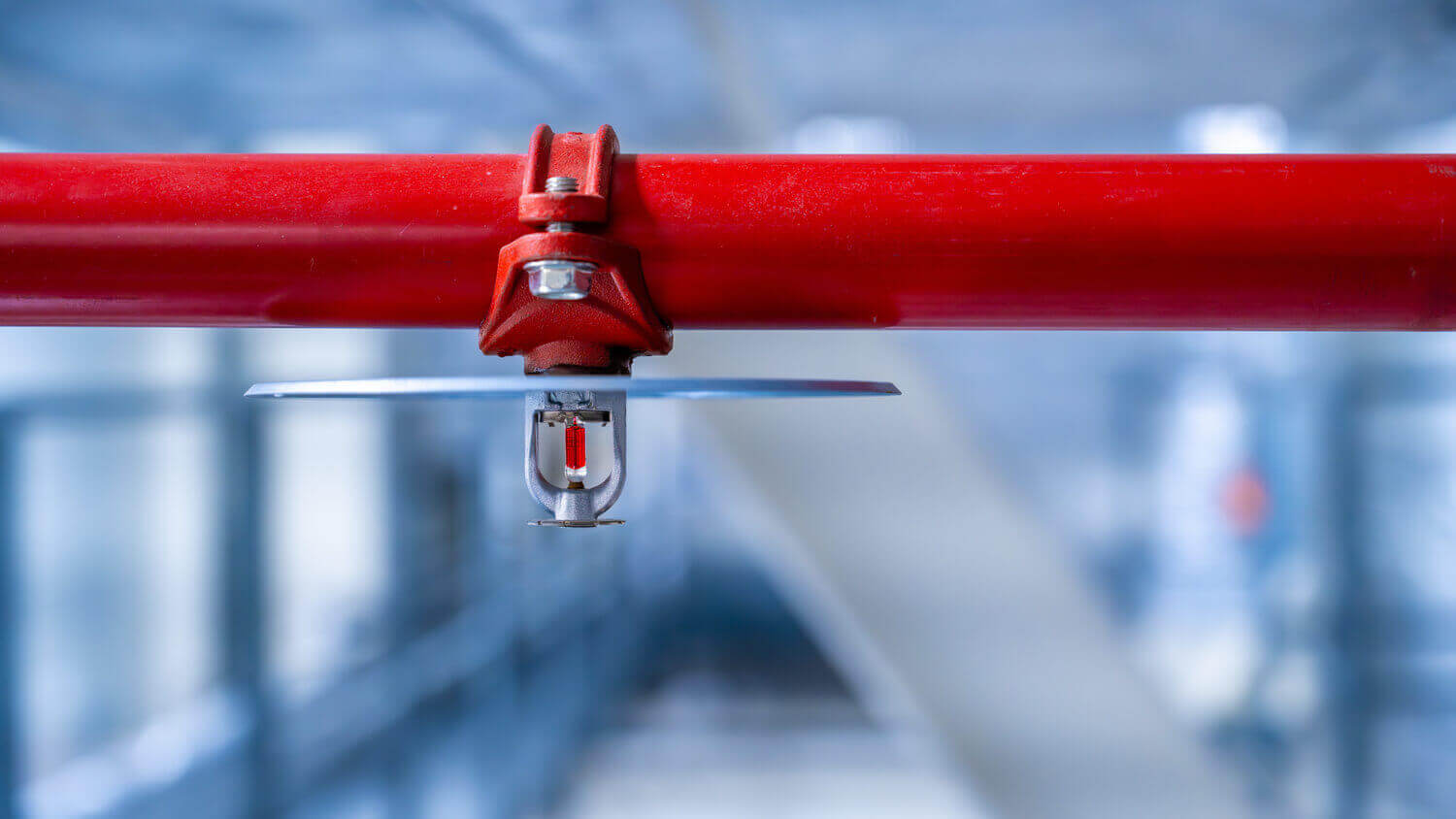
Pendent sprinkler | A sprinkler designed to discharge water downward from piping installed above the ceiling. |
|
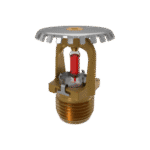
Upright sprinkler | A sprinkler that discharges water upward and deflects it downward over the protected area. |
|
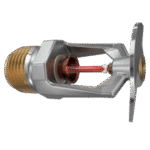
Sidewall sprinkler | A sprinkler installed along walls that discharges water in a half circular pattern. |
|
Concealed sprinkler | A recessed sprinkler concealed behind a cover plate for aesthetic installations. |
|
Recessed sprinkler | A sprinkler installed with an adjustable escutcheon allowing limited vertical positioning. |
|
Flush sprinkler | A sprinkler mounted flush with the ceiling using a fixed escutcheon plate. |
|
Dry pendent sprinkler | A sprinkler designed for unheated spaces with a dry barrel to prevent freezing. |
|
Residential sprinkler | A sprinkler specifically listed to improve life safety in residential occupancies. |
|
ESFR sprinkler | A high flow sprinkler designed to suppress fires early, common in storage applications without in-rack sprinklers. |
|
CMSA sprinkler | A sprinkler intended to control specific storage hazards using large droplets. |
|
Extended coverage sprinkler | A sprinkler listed to protect larger floor areas than standard sprinklers. |
|
Open sprinkler | A sprinkler without a thermal element used in deluge systems. |
Source of Images: Viking.
Sprinkler Subcomponents
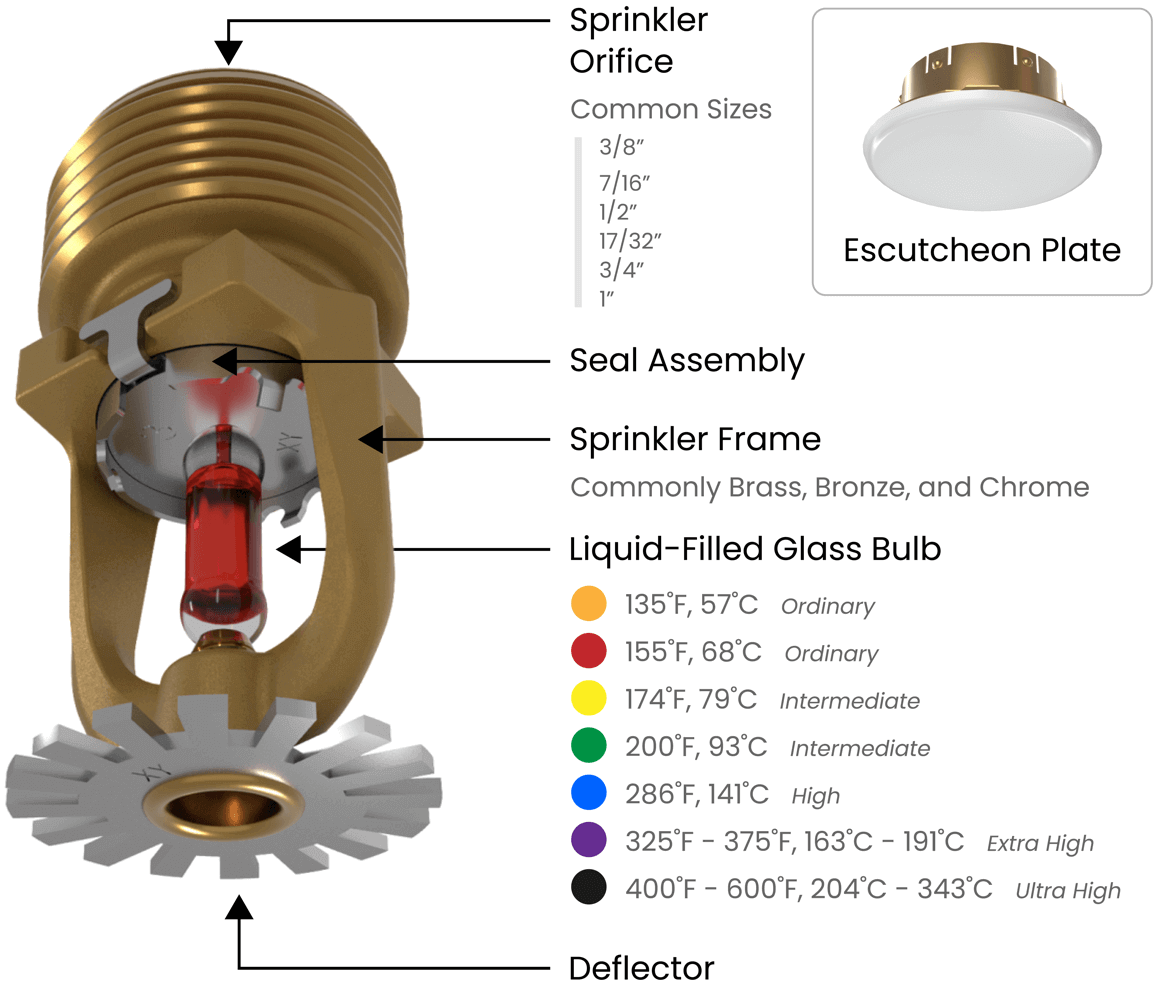
Figure 2: Breakdown of the exact placement and composition of the components presented below.
Sprinkler subcomponents define how individual sprinklers activate, control discharge, and interact with thermal and hydraulic conditions. These elements include the mechanical and thermal features that determine activation temperature, response time, and water release behavior. Variations in subcomponent design affect sprinkler performance characteristics and application limitations. Familiarity with these elements supports accurate specification, inspection, and evaluation of installed sprinklers.
Deflector | The component that shapes and directs water discharge from a sprinkler. |
Glass bulb | A liquid filled glass element that fractures when exposed to heat. |
Sprinkler orifice | The opening through which water discharges from the sprinkler. |
Sprinkler frame | The structural body that supports sprinkler components. |
Seal assembly | A component that prevents water discharge until sprinkler activation. |
Escutcheon plate | A decorative and protective plate covering the ceiling penetration. |
Piping & Distribution Components
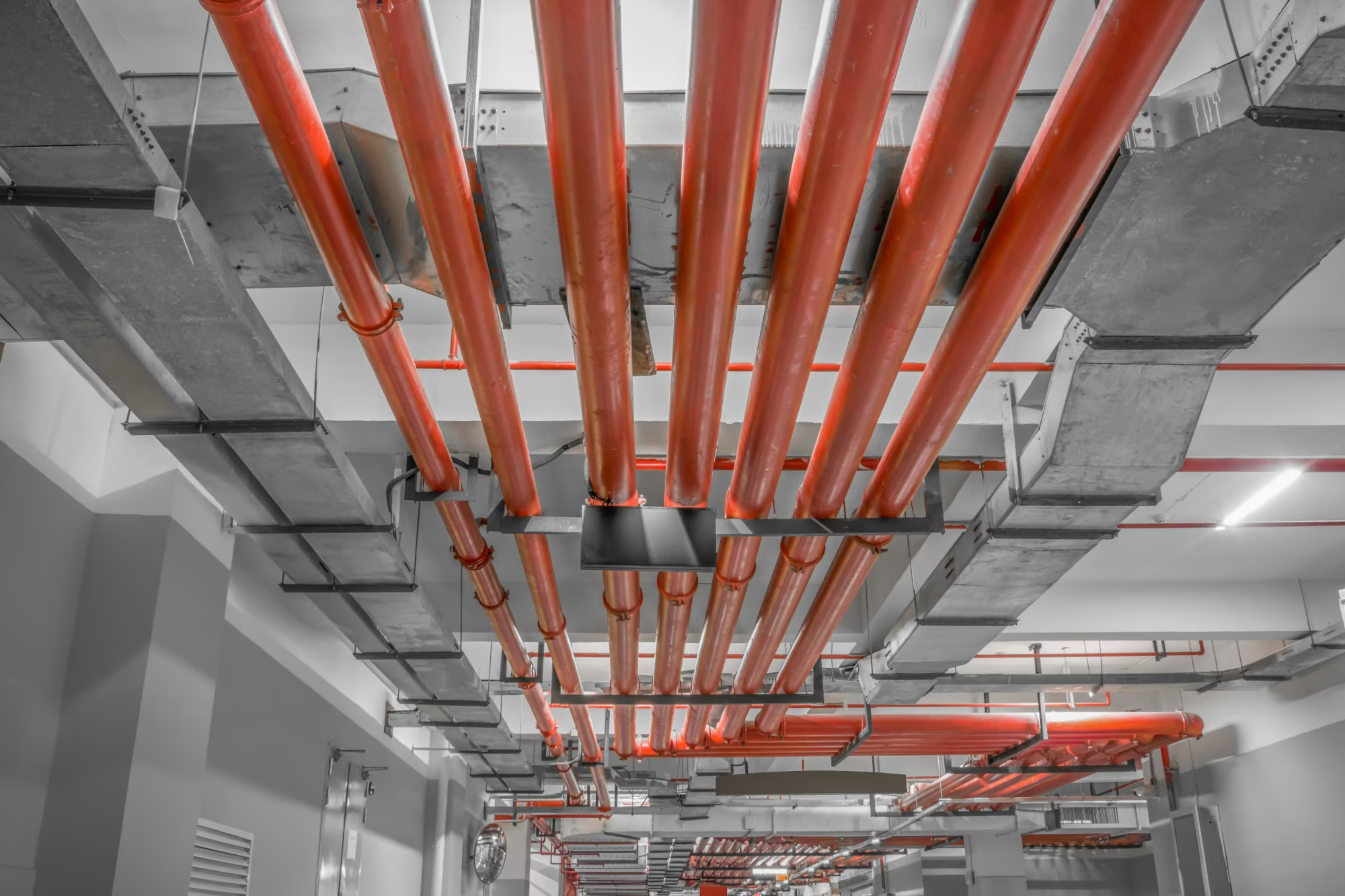
Piping and distribution components form the hydraulic network that conveys water from the supply source to individual sprinklers. These components must accommodate system pressure, flow demand, thermal expansion, seismic movement, and environmental exposure. Material selection, joint methods, and layout directly influence system durability and hydraulic performance. Proper coordination with structural and architectural elements is required to maintain system integrity and accessibility.
Branch Line | A pipe supplying water to multiple sprinklers on the same level. |
Cross Main | A pipe supplying multiple branch lines within the sprinkler system. |
Feed Main | A pipe connecting the system riser to cross mains. |
Riser Nipple | A short pipe section connecting sprinklers to branch lines. |
Drop Nipple | A pipe section lowering a sprinkler to the correct elevation. |
Return Bend/Arm Over | A pipe extension used to properly locate a sprinkler. |
Underground Service Main | A dedicated, buried pipe system transporting water from a municipal supply or private source to a building’s fire protection system. |
Valves & Control Devices
Valves and control devices regulate water flow, isolate system sections, and support maintenance and emergency operations. These components are subject to supervision and monitoring requirements to ensure system availability and impairment awareness. Their placement and configuration affect system operability, inspection efficiency, and response during both routine maintenance and fire events. Accurate identification and understanding of control devices are critical for system management and code compliance.
|
Alarm Check Valve | A valve that prevents reverse water flow within the system. |
|
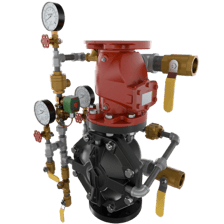
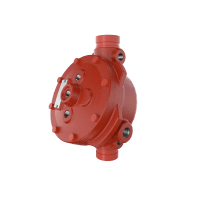
Dry Pipe Valve | A valve that holds back water in dry pipe sprinkler systems. |
|
Pre-Action Valve | A valve controlling water entry in pre-action sprinkler systems. |
|
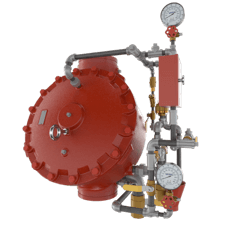
Deluge Valve | A valve that releases water to all open sprinklers simultaneously. |
|
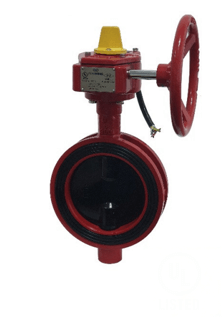
Butterfly Valve | A quarter turn valve used to control water flow. |
|
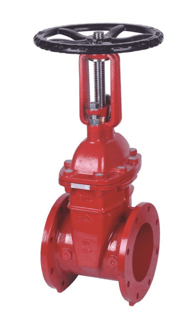
OS&Y Valve | A gate valve with a rising stem indicating open or closed position. |
|
Pressure Supervisory Switch | A monitoring device that detects abnormal rises or drops in pressure within pipes or tanks. |
|
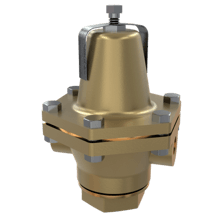
Pressure reducing valve | A valve that limits downstream water pressure. |
Source of Images: Viking.
Riser & System Assemblies
Riser and system assemblies provide the primary interface between the water supply and the fire sprinkler distribution network. These assemblies integrate multiple control, monitoring, and test components into a coordinated configuration. Proper riser design ensures reliable water delivery, effective supervision, and compliance with applicable standards. Understanding riser configurations is essential for system layout, plan review, and field verification.
Fire sprinkler riser | The vertical piping assembly connecting the water supply to the sprinkler system. |
Riser manifold | A piping arrangement distributing water to multiple system zones. |
Test and drain assembly | An assembly allowing system testing and controlled drainage. |
Main drain assembly | A component used to test water supply performance. |
Riser check valve | A valve preventing reverse flow at the system riser. |
Waterflow switch | A device that detects water movement and triggers an alarm. |
Tamper switch | A switch monitoring the position of control valves. |
Drainage & Auxiliary Components
Drainage and auxiliary components support system operation, testing, and maintenance by managing water discharge and accommodating system-specific functions. These elements allow controlled draining, pressure relief, and environmental protection during testing or impairment conditions. While not directly involved in fire suppression, they are essential for safe and compliant system operation. Proper application reduces the risk of water damage and maintenance related issues.
Auxiliary drain | A drain used to remove trapped water from dry systems. |
Drum drip | A device installed to drain condensation from dry pipe systems. |
Low point drain | A drain installed at piping low points to remove accumulated water. |
Drum drip assembly | A complete assembly for draining dry pipe systems. |
Common Fire Sprinkler Codes & Standards
Fire sprinkler systems are designed, installed, and maintained in accordance with nationally recognized codes and standards. These documents establish terminology, performance criteria, component requirements, and inspection and testing procedures. Familiarity with commonly referenced standards is necessary for consistent interpretation and application across design, construction, and enforcement activities. This section provides context for the primary codes and standards governing fire sprinkler systems.
NFPA 13 | The standard governing the design and installation of automatic sprinkler systems in commercial and industrial occupancies. |
NFPA 13R | The standard for the installation of sprinkler systems in low rise residential occupancies up to four stories. |
NFPA 13D | The standard addressing sprinkler system installation in one- and two-family dwellings and manufactured homes. |
NFPA 14 | The standard covering the design and installation of standpipe and hose systems within buildings. |
NFPA 20 | The standard governing the installation of stationary fire pumps for fire protection systems. |
NFPA 24 | The standard governing fire service undergrounds. |
NFPA 25 | The standard establishing inspection testing and maintenance requirements for water-based fire protection systems. |
NFPA 291 | The recommended practice for conducting fire flow testing and marking of fire hydrants. |
International Building Code (IBC) | A model building code that references fire sprinkler requirements based on occupancy and building characteristics. |
International Fire Code (IFC) | A model fire code regulating fire protection system installation operation and maintenance. |
Authority Having Jurisdiction (AHJ) | The organization or individual responsible for approving fire sprinkler system design installation and compliance. |