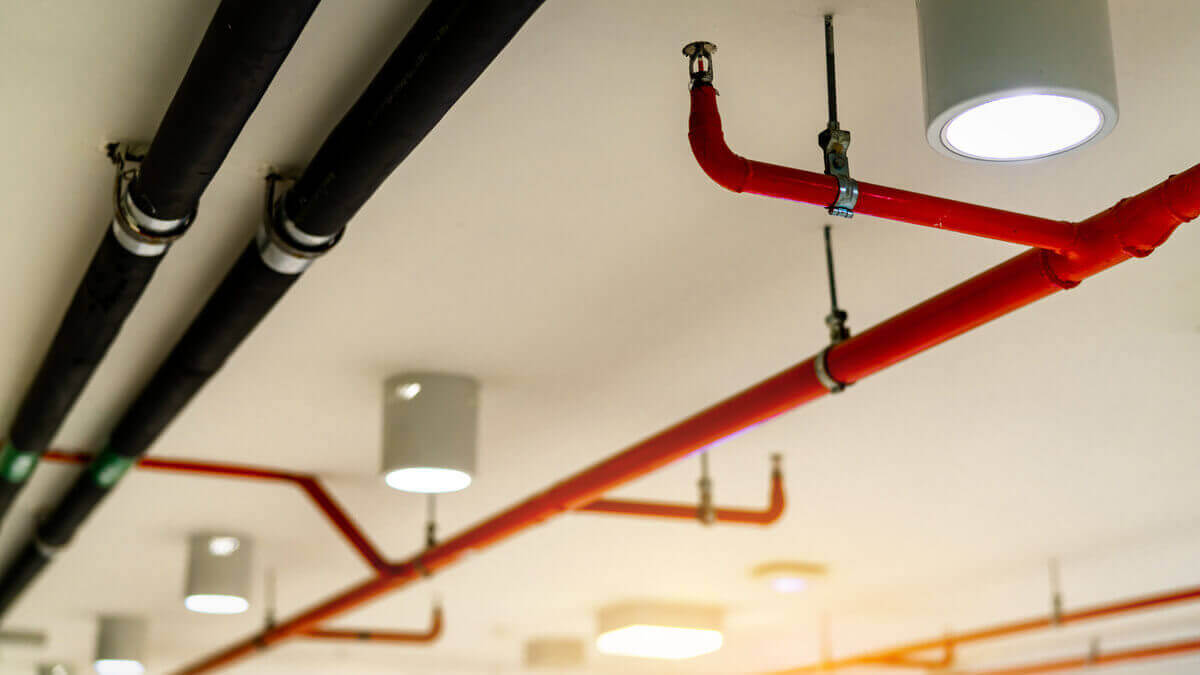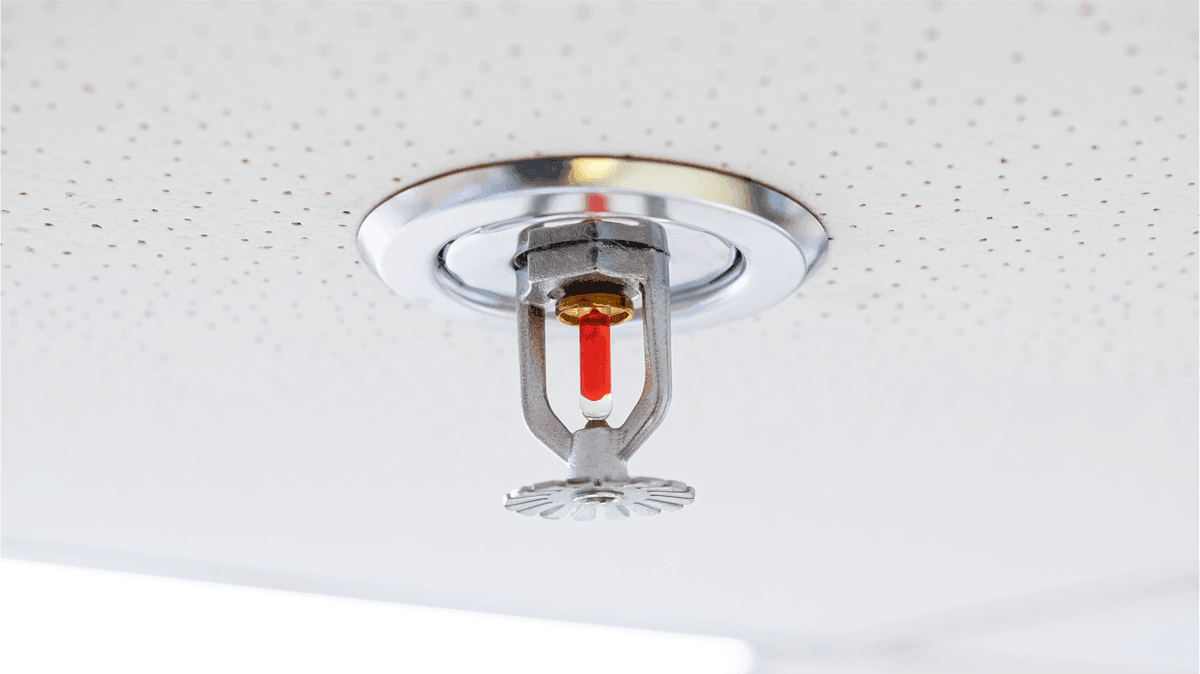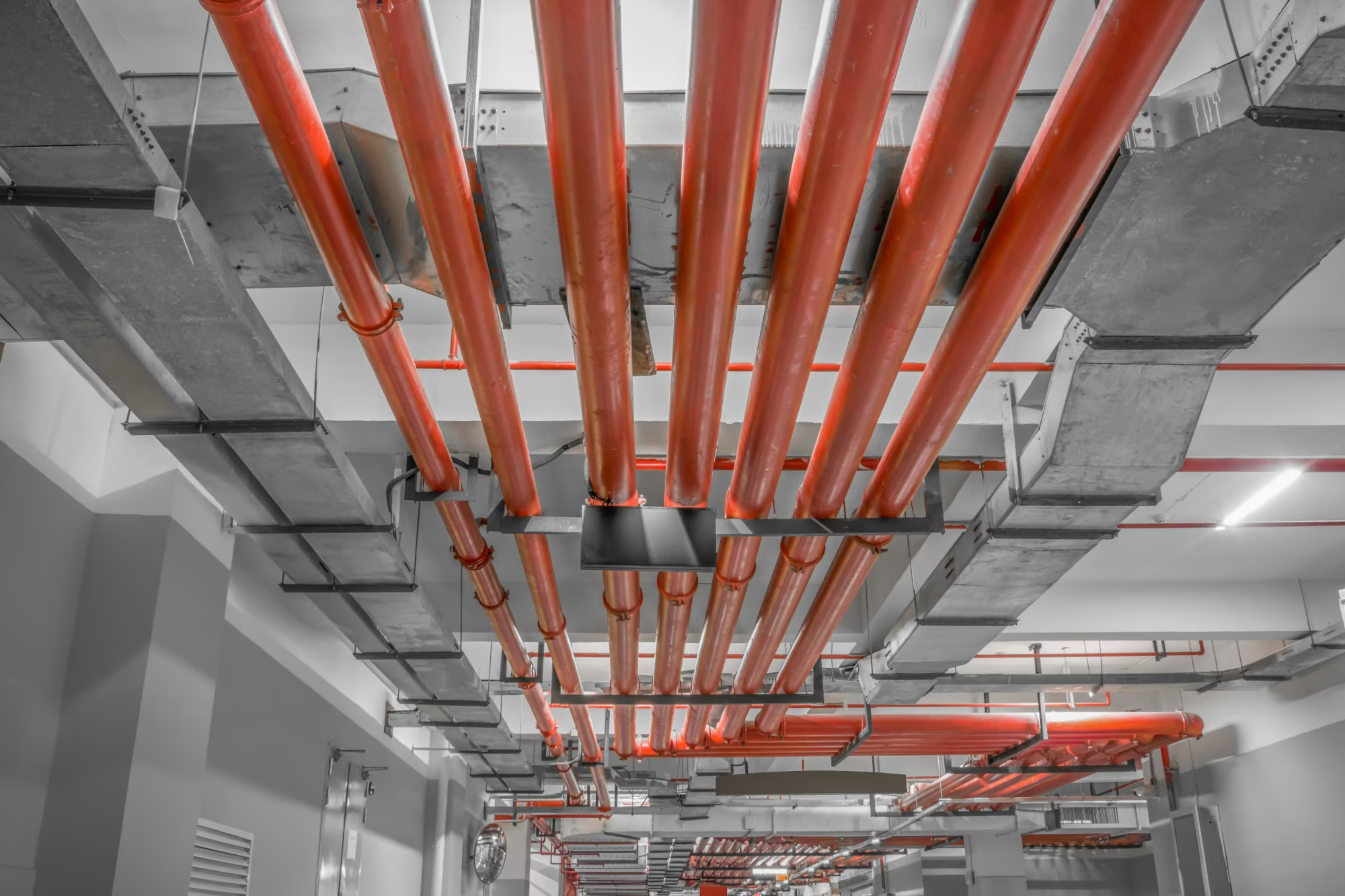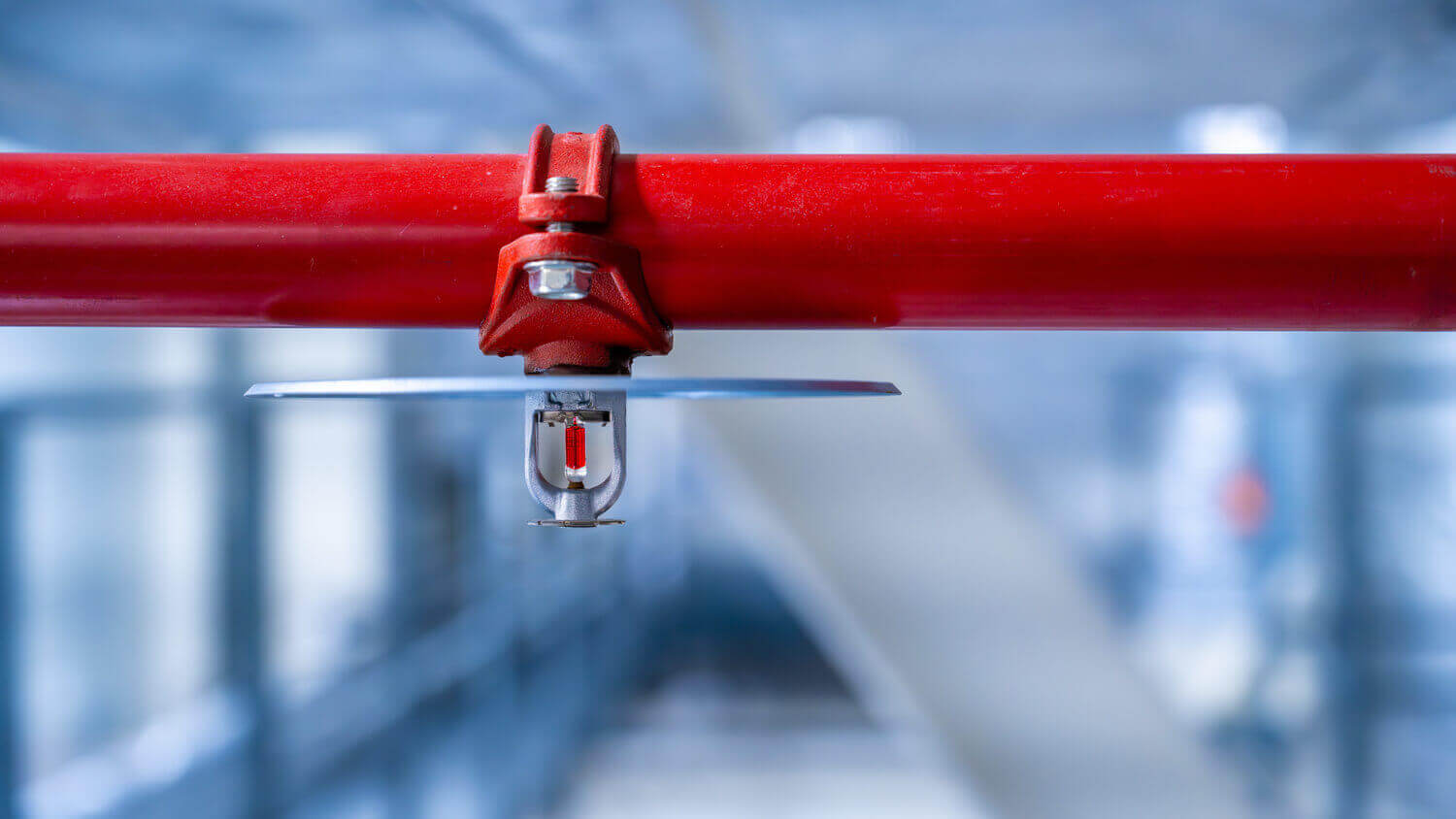
Figure 1: A ceiling-mounted fire sprinkler.
NFPA 13, the standard for the installation of sprinkler systems, recognizes four primary automatic sprinkler system configurations: wet pipe, dry pipe, preaction, and deluge. Each system type represents a different engineering response to fire dynamics, environmental constraints, risk tolerances, and asset protection requirements. Selecting the correct system is a design decision that impacts performance, reliability, maintainability, and cost.
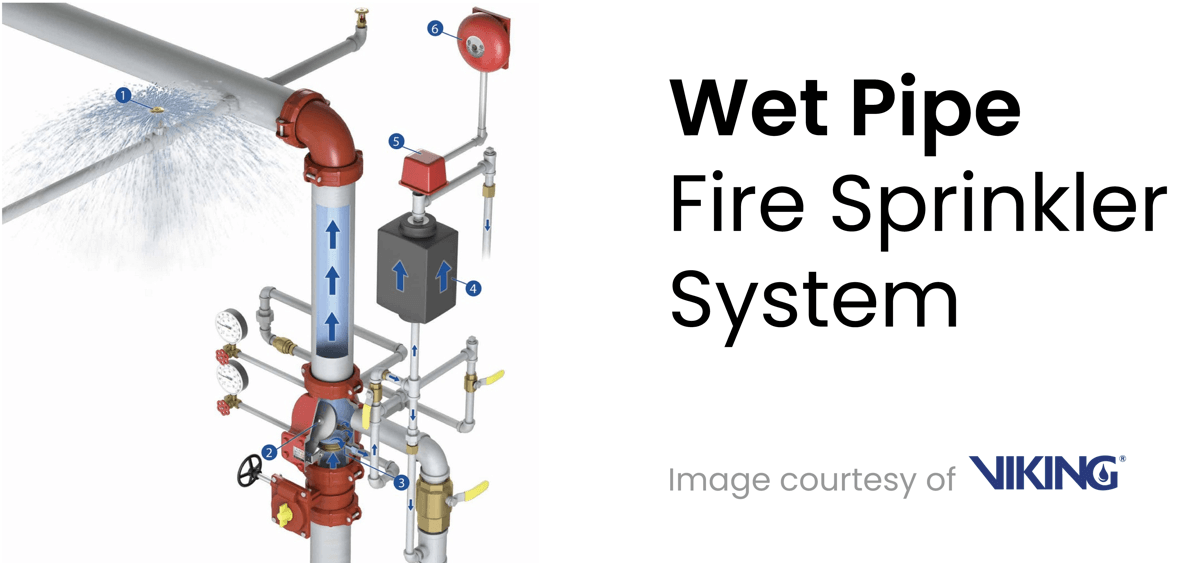
Figure 2: A wet pipe sprinkler system maintains water under pressure at all times, providing the fastest and most reliable fire response in areas where piping can be continuously protected from freezing. Viking.
Wet Pipe Sprinkler Systems
Operational Overview
A wet pipe sprinkler system maintains water under pressure in all system piping at all times. Sprinklers contain individual heat-sensitive elements, typically frangible glass bulbs or fusible links. When a fire raises the ambient temperature around a sprinkler to its rated activation temperature, that single sprinkler opens and water discharges immediately. NFPA 13 identifies wet pipe systems as the most common and inherently reliable configuration permitted by the standard.
Engineering Considerations
Wet pipe systems deliver water faster than any alternate system type because there are no intermediate valves or mechanical actions between activation and flow. This rapid response mitigates the risk of fire growth, minimizes combustion damage, and limits the number of sprinklers that need to operate.
However, having water present at all times creates a fundamental design constraint: temperature control. A wet pipe system should only be used in areas and piping locations where all ambient spaces can be reliably maintained at or above 40°F (4°C). If any portion of the piping network is subject to temperatures below this threshold, there is a risk of water freezing, which can lead to pipe rupture and system failure. Designers must evaluate whether conditioning systems, insulation, or other measures will assure this condition, or whether environments fluctuate enough to justify alternative system types.
If conditioned space cannot be guaranteed, an engineering evaluation must be conducted to determine whether the risk of freezing is eliminated throughout the piping network. If not, a different system type must be selected.
Compared to other system types, wet pipe systems have the lowest mechanical complexity, require fewer components, and impose fewer maintenance demands over time, making them technically and economically favorable when environmental conditions allow.
Key Characteristics
The defining operational features of a wet pipe sprinkler system include:
- Pressurized water present in piping at all times
- Immediate water discharge upon sprinkler activation
- Requirement that all areas containing piping be maintained at or above 40°F (4°C) to avoid freeze risk
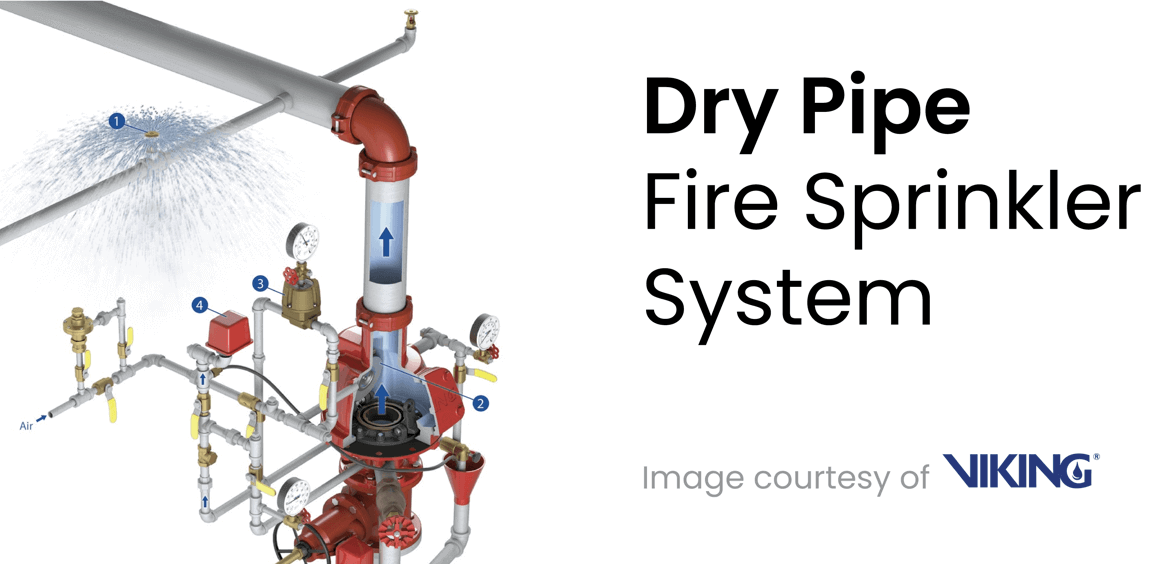
Figure 3: A dry pipe sprinkler system holds water back using pressurized air or nitrogen, allowing sprinkler protection in spaces subject to freezing temperatures while introducing a controlled delay in water delivery. Viking.
Dry Pipe Sprinkler Systems
Operational Overview
Dry pipe sprinkler systems are engineered to address environments where water filled piping cannot be reliably kept above freezing. In a dry pipe system, the sprinkler piping is filled with pressurized air or nitrogen, and a dry pipe valve (a specialized check valve) separates this pressurized air from the water supply. When a fire raises the temperature around a sprinkler, that sprinkler opens, venting air from the piping. Once sufficient air pressure is lost, the dry pipe valve opens, and water enters the piping and flows out the activated sprinkler.
Engineering Considerations
The defining design characteristic of dry pipe systems is time. Because water is not present in the piping when a fire starts, there is an inherent delay between sprinkler activation and water discharge. NFPA 13 recognizes this delay and, in its hydraulic design provisions, limits system size and configuration to control the time between activation and water delivery.
Dry pipe systems introduce additional mechanical complexity: air supervision equipment, pressurization systems, dry pipe valves, and control logic must all function correctly under fire conditions. Corrosion potential within the piping network is higher due to the combination of moisture and oxygen, which necessitates careful material selection and maintenance. Air compressor or nitrogen generator systems often are required to maintain correct supervisory pressures over the system lifecycle.
Dry pipe systems are typically applied in unheated or cold environments where piping would otherwise freeze exterior loading docks, unconditioned warehouses, canopies, parking garages, and attic spaces.
Key Characteristics
The defining operational features of a dry pipe sprinkler system include:
- Piping filled with pressurized gas prior to activation
- Water introduced only after dry pipe valve operation
- Use in spaces subject to freezing environments
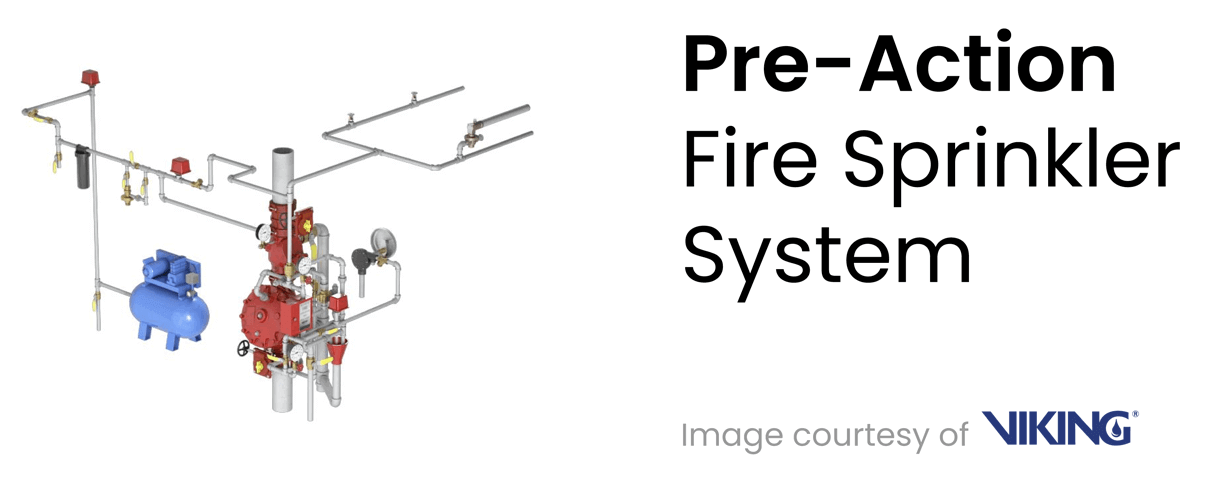
Figure 4: A pre-action sprinkler system requires a separate fire detection event before water is introduced into the piping, reducing the risk of accidental discharge in water-sensitive or high-value environments. Viking.
Preaction Sprinkler Systems
Operational Overview
Pre-action sprinkler systems are specialized variants of dry pipe systems designed to minimize the risk of unintended water discharge. In normal conditions, the piping contains air or nitrogen, and water is restrained behind a pre-action valve. Unlike standard dry systems, water is not admitted into the piping solely by sprinkler operation. Instead, a separate fire detection event must occur first. Detection systems (governed by NFPA 72, National Fire Alarm and Signaling Code) actuate the pre-action valve, allowing water to fill the piping. Only after this pre-action stage does individual sprinkler heat activation permit discharge.
Pre-action systems can be configured in single-interlock or double-interlock arrangements. Single-interlock systems admit water into the piping upon detection activation, then require sprinkler activation to discharge. Double-interlock systems require both a detection event and sprinkler operation before admitting water, further reducing the likelihood of false discharge.
Engineering Considerations
Pre-action systems are inherently more complex than wet or dry systems. They combine dry pipe valves, detection logic, supervisory requirements, and controlled water admission steps. The complexity offers intentional protection against accidental discharge (a frequent concern in water-sensitive environments such as data centers, museums, laboratories, and archival storage), but it also introduces additional design, testing, and maintenance responsibilities.
Designers must coordinate fire alarm system response characteristics, detection types and placement, valve supervision, and sprinkler coverage to ensure robust performance under fire conditions.
Key Characteristics
The defining operational features of a pre-action sprinkler system include:
- Event-based water admission using detection coordinated under NFPA 72
- Non-interlock, single interlock, and double interlock logic with materially different discharge behavior
- Use where preventing accidental water discharge or unintended system filling is a primary design driver
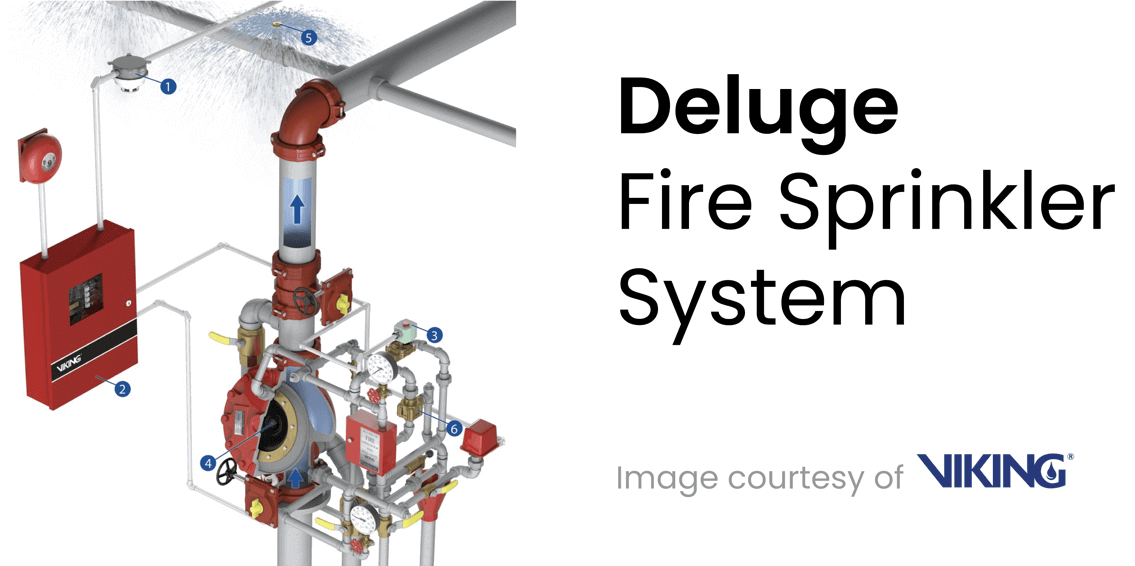
Figure 5: A deluge sprinkler system uses open discharge devices and a dedicated detection system to rapidly apply water across an entire hazard area when fast fire spread, or high heat release is anticipated. Viking.
Deluge Sprinkler Systems
Operational Overview
Deluge sprinkler systems are engineered for high hazard occupancies where rapid fire spread, and intense heat release require immediate, widespread application of water. In a deluge system, the piping is normally empty or filled with air at atmospheric conditions, and all discharge devices are open nozzles. A separate fire detection system (typically heat, smoke, or flame) actuates a deluge valve. Once the deluge valve opens, water flows simultaneously through all nozzles throughout the protected area.
Engineering Considerations
Deluge systems fundamentally change the suppression strategy: instead of relying on individual sprinkler heat activation, they flood the hazard area quickly and broadly. This total-area discharge is necessary for environments such as aircraft hangars, chemical processing areas, fuel handling operations, and industrial scenarios where rapid flame spread, or instantaneous fire growth is expected.
The hydraulic design of a deluge system must account for the simultaneous operation of all discharge devices, driving extremely high-water demand and requiring reliable, high-capacity water supplies. Detection system reliability is paramount because the system depends entirely on early detection to initiate deluge valve operation.
Key Characteristics
The defining operational features of a deluge sprinkler system include:
- Open discharge devices with no thermal element
- Full-area water application upon deluge valve actuation
- Use in high hazard applications where rapid fire spread is anticipated
Engineering System Selection
NFPA 13 provides the permissible system types, but it does not choose the system for you. System selection requires careful evaluation of:
- Environmental conditions: freeze risk, temperature stability, humidity
- Hazard classification: fire load, heat release rate, occupancy risk
- Asset sensitivity: water-damage risk for equipment, records, or inventory
- Water supply characteristics: pressure, flow capacity, reliability
- Operational and maintenance capability: supervision infrastructure, inspection programs
Summary
Wet Pipe: Immediate response, cost-effective, simplest design, requires all piping locations ≥ 40°F (4°C) to avoid freeze risk.
Dry Pipe: For freeze-susceptible environments with gas-pressurized piping and inherent delivery delay.
Preaction: Hybrid system minimizing unintended discharge, requiring coordinated detection logic.
Deluge: Full-area rapid discharge for extreme hazards, driven by high-capacity water and early detection.